Paper Cup Production: Key Stages
Raw Material Selection and Preparation
The first step in paper cup production is choosing high-quality paper and suitable coating materials. Typically, paper pulp is used with a liquid-resistant PE coating or eco-friendly biodegradable PLA applied to the inner surface.
Cutting and Shaping the Paper
Large paper rolls are cut by machinery into the required size and shape of the cup. Layers are stacked and bonded using heat and pressure.
Coating Application
A safe and eco-friendly coating is applied to the inside of the cut paper strips to prevent leaks and protect the cup from moisture.
Attaching the Base and Edges
The base and edges of the cup are securely joined with heat and pressure, ensuring durability and leak resistance.
Printing and Design
Custom logos and designs are printed on the cups after cutting and shaping, using food-safe inks.
Packaging and Shipping
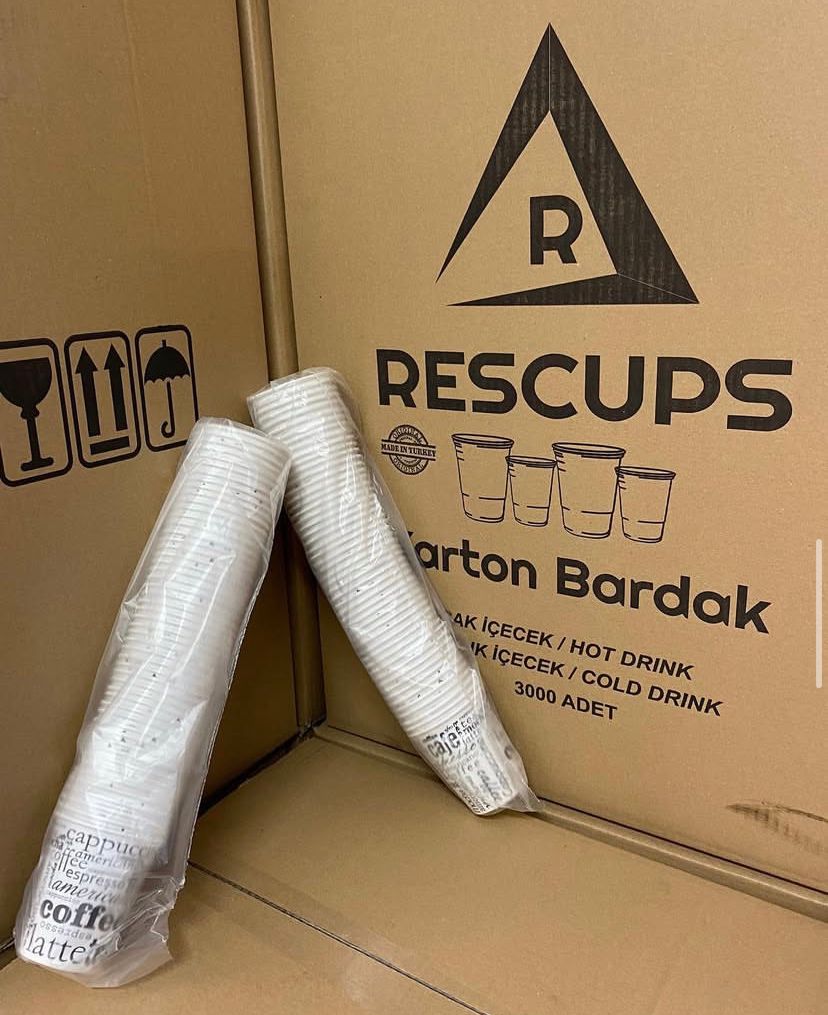
Finished cups are packed hygienically in bags or boxes and prepared for shipment to customers.
Sustainability and Eco-Friendly Production
Manufacturers reduce environmental impact by using recyclable materials and energy-efficient processes. Innovative biodegradable coatings make paper cups an ecological alternative.
Leaving an indelible mark on the landscape of tomorrow.
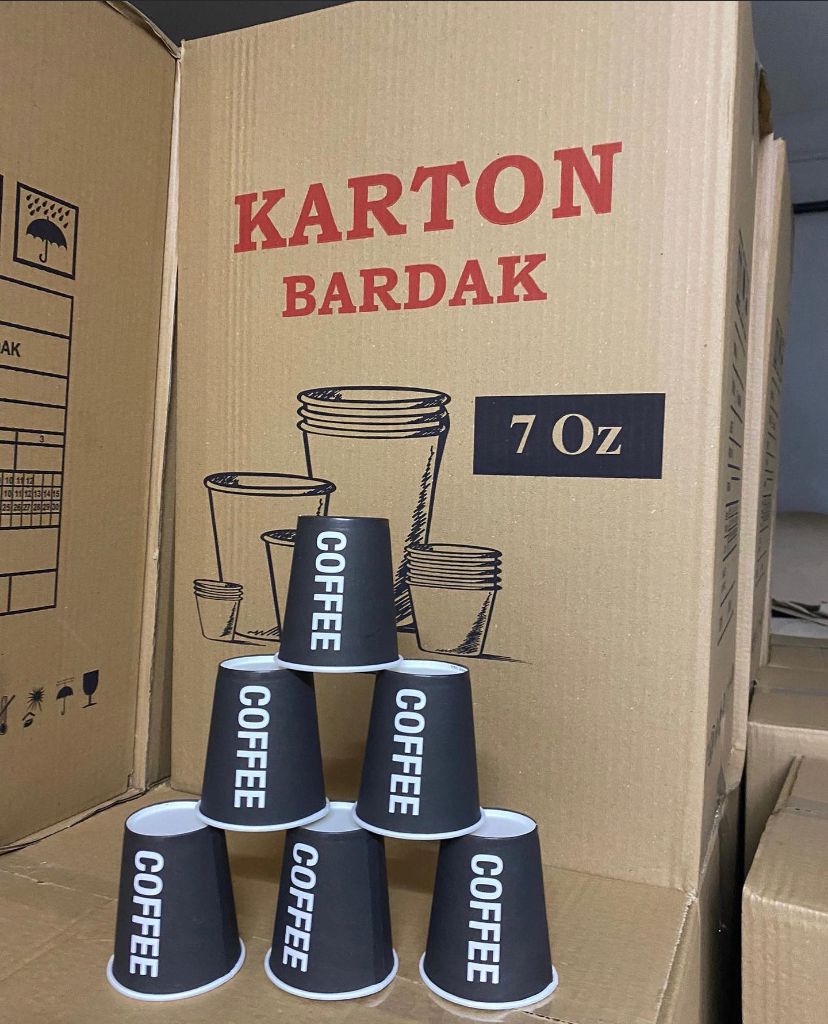
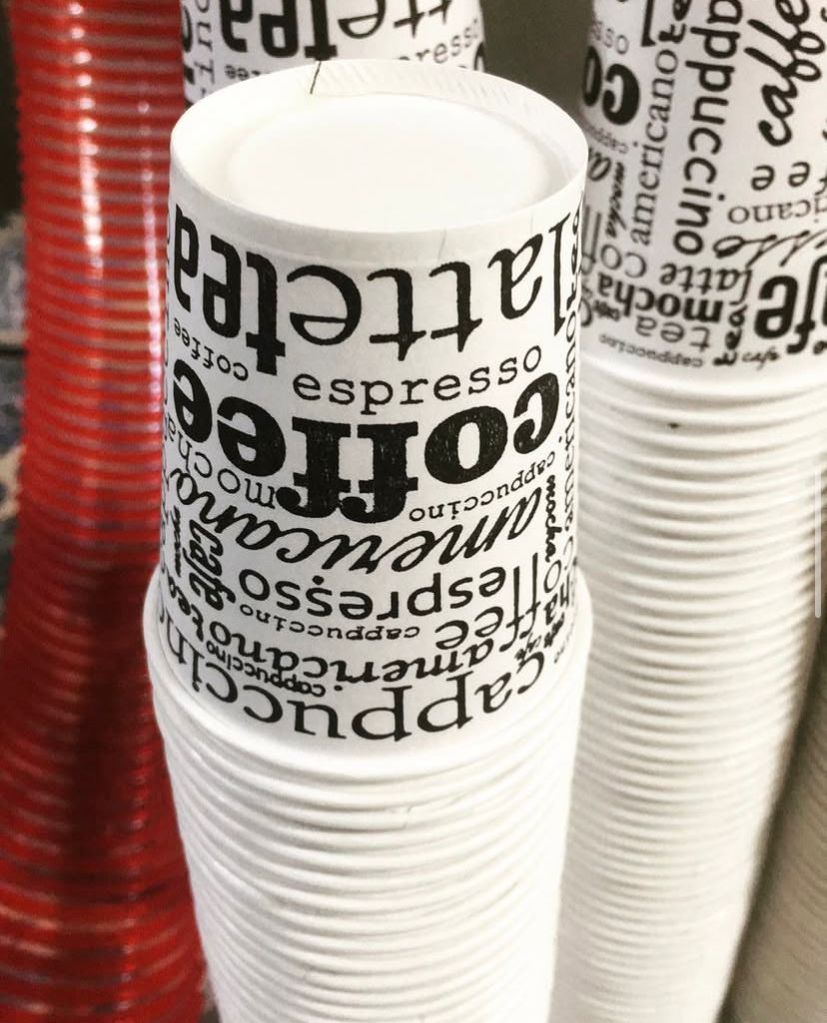
Current Trends in the Paper Cup Industry
- Growing Environmental Awareness: Consumers increasingly prefer sustainable paper cups.
- Technological Innovation: Producers invest in new machines and materials to improve quality and efficiency.
- Customization: Brands enhance customer experience by personalizing printed cups.
Conclusion
Paper cup production plays a vital role in providing eco-friendly packaging solutions for the future of the industry. Understanding production stages and keeping up with trends can contribute to sustainability and strengthen your business.
 RESCUPS